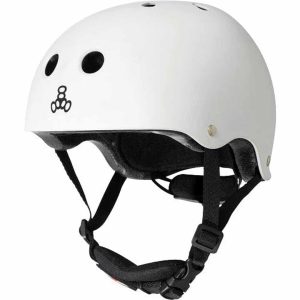
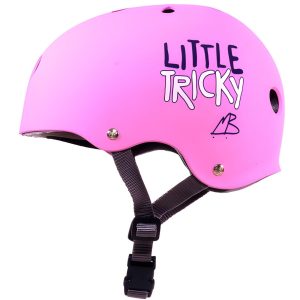
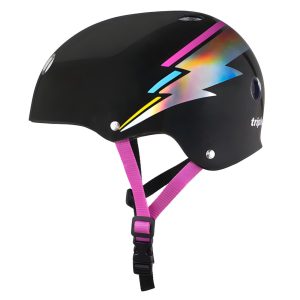
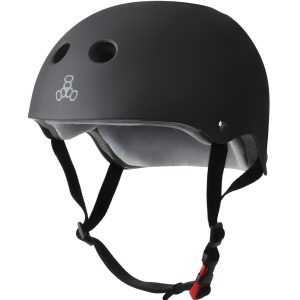
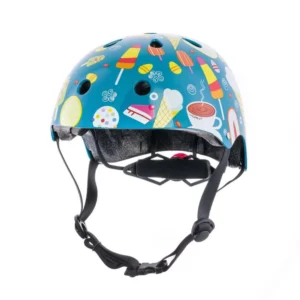
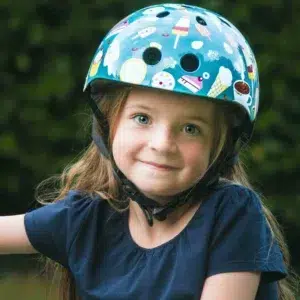
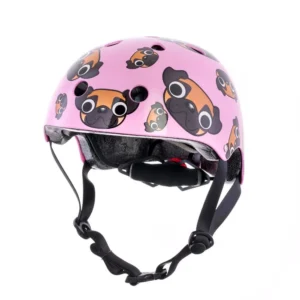

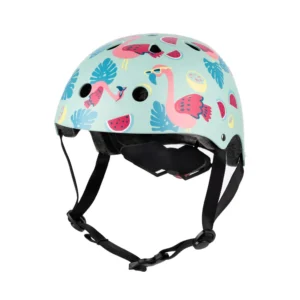
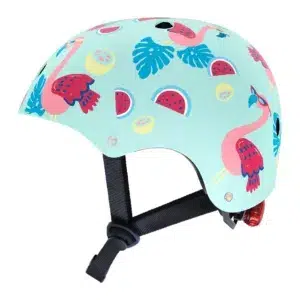
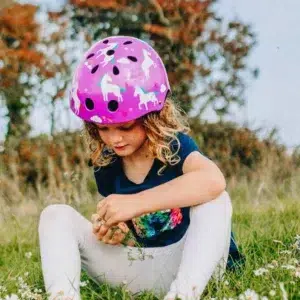
Kids Helmets
The right kids helmet is not the most expensive one. It is the one that fits correctly and meets Australia’s mandatory safety standard every single time. This collection covers ages 2 through to adult, with kids bike helmets suited to balance bikes, school commutes, BMX, and mountain trails.
Every helmet is certified to AS/NZS 2063. Shop with confidence flat-rate shipping applies Australia-wide on every order.
$20 Flat-rate shipping Australia-wide · 30-day returns · Secure checkout · Australian safety compliant
Trusted and Loved by Hundreds of Happy Parents and Grandparents!
- This product has multiple variants. The options may be chosen on the product page
$80.00Original price was: $80.00.$69.00Current price is: $69.00. - This product has multiple variants. The options may be chosen on the product page
$109.00Original price was: $109.00.$99.00Current price is: $99.00. - This product has multiple variants. The options may be chosen on the product page
$109.00Original price was: $109.00.$99.00Current price is: $99.00. - $109.00 – $119.95Price range: $109.00 through $119.95This product has multiple variants. The options may be chosen on the product page
- $79.95 – $119.95Price range: $79.95 through $119.95This product has multiple variants. The options may be chosen on the product page
- This product has multiple variants. The options may be chosen on the product page
$79.00Original price was: $79.00.$69.00Current price is: $69.00. - This product has multiple variants. The options may be chosen on the product page
$79.95Original price was: $79.95.$69.95Current price is: $69.95. - This product has multiple variants. The options may be chosen on the product page
$79.95Original price was: $79.95.$69.95Current price is: $69.95.
Showing all 12 resultsSorted by latest
Why kids Helmet Fit matters as much as Certification
A poorly fitted kids helmet provides far less protection in a crash. The helmet must sit level—not tilted back, not pushed forward. It must stay in place under impact. That only happens when the fit system is correctly adjusted before every ride.
Every helmet in this range complies with AS/NZS 2063—Australia’s mandatory bicycle helmet standard. Riding without a compliant helmet on any Australian road or shared path is illegal. Review the full mandatory standard requirements if certification detail matters to your decision.
The fit system inside the helmet is worth examining before you buy. Dial-adjust retention systems allow precise sizing in centimetres. This system fine-tunes fit in seconds as your child grows. It extends useful helmet life and ensures protection improves with every ride, not just the first.
Finding the best kids helmet Australia-wide comes down to two things. Certified construction and a fit system parents can actually use correctly.
Choosing Kids Bike Helmets by age and riding style
Bike helmets for kids are not interchangeable across age groups. A toddler’s helmet needs deeper rear coverage and lighter weight. A school-age helmet needs ventilation and daily comfort. A trail or skate helmet needs structural protection suited to the falls those disciplines produce.
Getting this match right before purchase matters. The most common outcome of a wrong choice is a helmet the child refuses to wear.
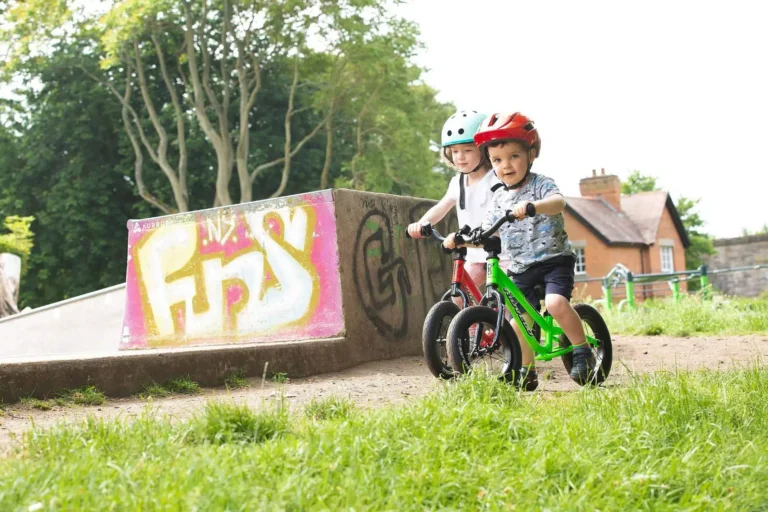
- Ages 2–5: toddlers and balance bike riders; Toddler helmets prioritise light weight and full rear head coverage. Younger riders tire of heavy helmets quickly. The buckle and strap system should be manageable by a parent in seconds—not a puzzle to solve at the park gate. Browse our toddler bike helmets for ages 2–5 for options built specifically for this stage.
- Ages 5–8: school-age riders building confidence; This age group logs the most daily helmet hours. School rides, neighbourhood loops, and weekend paths demand a comfortable, well-ventilated helmet kids will actually keep on. Look for a mid-weight shell with a dial-adjust system and proven airflow. View our helmets for ages 5–8 for the full range at this level.
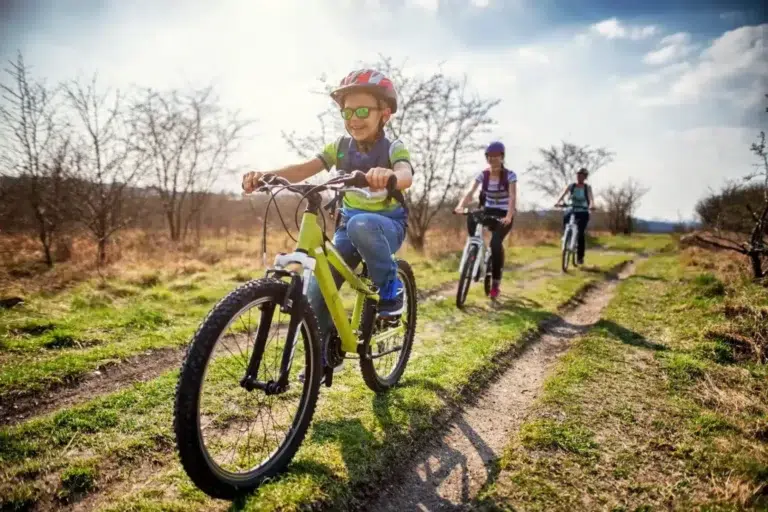
- Ages 9 and up: trail riding, BMX, and independent riders; Older riders have opinions. A bike helmet kids this age are proud of gets worn every ride. That matters more than most parents expect. Style and function have to work together at this stage.
A kids mountain bike helmet at this level should include a visor. Visors deflect low sun, manage trail debris, and block overhanging branches on narrow paths. Without one, trail riding becomes a squinting exercise on every descent.
A kids bmx helmet uses a rounder, lower-cut shell. This design handles the backward and sideways falls common in skate parks and pump tracks. A standard road or trail helmet does not offer the same rear and side coverage for park riding.
Some helmets at this level include MIPS technology. MIPS stands for Multi-directional Impact Protection System. A rotating liner reduces rotational forces on the brain during an impact. Where MIPS options are available in this range, they are clearly labelled on the individual product page. Shop helmets for ages 9 and up to view the full selection.
How to Measure for a Correct Kids Bicycle Helmet Fit
Sizing by age label alone is the most common fitting mistake. Head circumference—measured in centimetres, is the accurate method. Age labels vary across brands. Circumference does not.
Measure your child’s head correctly before purchasing:
- Use a soft tape measure
- Wrap it around the widest point of the head, 2cm above the eyebrows
- Record the measurement in centimetres
- Match it to the brand’s specific size chart, not a generic age guide printed on the box
A correctly fitted helmet sits level on the head. The front edge clears the eyebrows by no more than two finger-widths. Straps form a clean V-shape just below each ear. The chin strap fits snugly, one finger fits underneath, no more.
The Raising Children Network’s bike safety guide walks through a practical fit check parents can complete at home. The Better Health Channel’s bicycle safety resource covers riding safety by developmental stage for Australian families. Both are worth reading before the first ride.
If you are uncertain about sizing after checking the chart, contact the xchange Sports team before purchasing. A correct first fit avoids returns for everyone.
When to replace a kids helmet
Replace any kids helmet immediately after a significant impact—even with no visible damage. Helmet foam compresses on impact and does not recover. The outer shell may look intact. The protective foam inside may not be.
As a general guide, replace kids’ bike helmets every three to five years. UV exposure, repeated minor knocks, and strap wear all degrade performance over time. If the retention system no longer adjusts to a secure fit, replace the helmet. A head that has grown past the maximum adjustment point needs a new size, not a tighter buckle.
A helmet dropped from significant height, off a table, out of a car boot—should be inspected closely before the next ride. When in doubt, replace it. Protection is not worth the risk of compromise.
Accessories that complete every kids riding setup
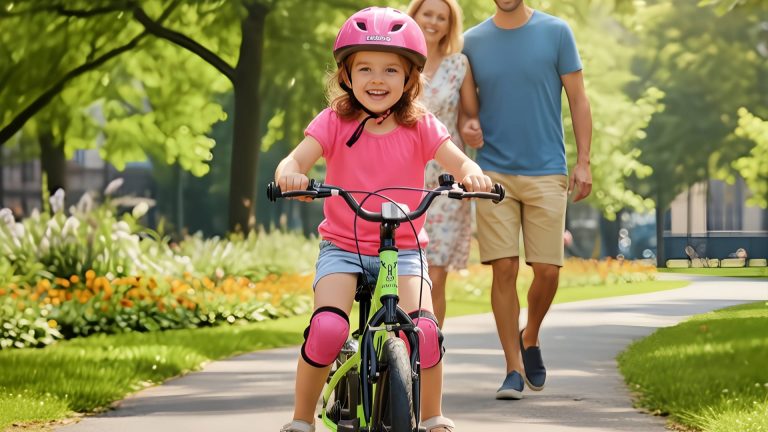
A helmet covers the head. Knee pads and elbow guards protect the joints most likely to contact the ground in a fall. Gloves reduce palm abrasion in minor tumbles and improve grip in wet riding conditions.
Browse the complete bike accessories range to add protective gear to your order. In-stock accessories dispatch together with helmets in a single shipment.
For shipping rates and estimated delivery timeframes, visit the shipping and delivery policy page. Flat-rate shipping applies Australia-wide on every order placed through Xchange Sports .
Frequently Asked Questions of kids Helmet
The safest kids helmet is a correctly fitted one that complies with AS/NZS 2063—Australia's mandatory bicycle helmet standard. Certification alone is not sufficient. The helmet must sit level on the head, with straps adjusted correctly and a snug chin strap every single ride. Fit is the defining safety variable.
Use a soft tape measure around the widest part of the head, approximately 2cm above the eyebrows. Record the measurement in centimetres. Use this number against the brand's specific size chart, not the age guide on the packaging. Age labels vary between brands. Head circumference does not.
All bike helmets sold and used in Australia must comply with AS/NZS 2063—the mandatory Australian bicycle helmet standard. This applies to helmets for all ages across all riding disciplines. The mandatory standard is enforced under Australian product safety law. Helmets without this certification must not be used on Australian roads or shared paths.
Replace a kids helmet immediately after any significant impact, regardless of visible damage. As a general guide, replace every three to five years due to UV exposure and foam degradation over time. If the retention system no longer adjusts to a secure fit or the child has outgrown the maximum size, replace it regardless of age or condition.
Looking For Adventure and Insider Tips?
Here you’ll find tons of ideas and inspiration to make bike riding or skating with your child, even more fun!
Why Choose Our Quality Products For Your Child?
Why kids Helmet Fit matters as much as Certification
A poorly fitted kids helmet provides far less protection in a crash. The helmet must sit level—not tilted back, not pushed forward. It must stay in place under impact. That only happens when the fit system is correctly adjusted before every ride.Every helmet in this range complies with AS/NZS 2063—Australia’s mandatory bicycle helmet standard. Riding without a compliant helmet on any Australian road or shared path is illegal. Review the full mandatory standard requirements if certification detail matters to your decision.The fit system inside the helmet is worth examining before you buy. Dial-adjust retention systems allow precise sizing in centimetres. This system fine-tunes fit in seconds as your child grows. It extends useful helmet life and ensures protection improves with every ride, not just the first.Finding the best kids helmet Australia-wide comes down to two things. Certified construction and a fit system parents can actually use correctly.Choosing Kids Bike Helmets by age and riding style
Bike helmets for kids are not interchangeable across age groups. A toddler’s helmet needs deeper rear coverage and lighter weight. A school-age helmet needs ventilation and daily comfort. A trail or skate helmet needs structural protection suited to the falls those disciplines produce.Getting this match right before purchase matters. The most common outcome of a wrong choice is a helmet the child refuses to wear.- Ages 2–5: toddlers and balance bike riders; Toddler helmets prioritise light weight and full rear head coverage. Younger riders tire of heavy helmets quickly. The buckle and strap system should be manageable by a parent in seconds—not a puzzle to solve at the park gate. Browse our toddler bike helmets for ages 2–5 for options built specifically for this stage.
- Ages 5–8: school-age riders building confidence; This age group logs the most daily helmet hours. School rides, neighbourhood loops, and weekend paths demand a comfortable, well-ventilated helmet kids will actually keep on. Look for a mid-weight shell with a dial-adjust system and proven airflow. View our helmets for ages 5–8 for the full range at this level.
- Ages 9 and up: trail riding, BMX, and independent riders; Older riders have opinions. A bike helmet kids this age are proud of gets worn every ride. That matters more than most parents expect. Style and function have to work together at this stage.
How to Measure for a Correct Kids Bicycle Helmet Fit
Sizing by age label alone is the most common fitting mistake. Head circumference—measured in centimetres, is the accurate method. Age labels vary across brands. Circumference does not.Measure your child’s head correctly before purchasing:- Use a soft tape measure
- Wrap it around the widest point of the head, 2cm above the eyebrows
- Record the measurement in centimetres
- Match it to the brand’s specific size chart, not a generic age guide printed on the box